
Coronavirus disease 2019
COVID-19 is a contagious disease caused by the coronavirus SARS-CoV-2. In January 2020, the disease spread worldwide, resulting in the COVID-19 pandemic.
The symptoms of COVID‑19 can vary but often include fever,[7] fatigue, cough, breathing difficulties, loss of smell, and loss of taste.[8][9][10] Symptoms may begin one to fourteen days after exposure to the virus. At least a third of people who are infected do not develop noticeable symptoms.[11][12] Of those who develop symptoms noticeable enough to be classified as patients, most (81%) develop mild to moderate symptoms (up to mild pneumonia), while 14% develop severe symptoms (dyspnea, hypoxia, or more than 50% lung involvement on imaging), and 5% develop critical symptoms (respiratory failure, shock, or multiorgan dysfunction).[13] Older people have a higher risk of developing severe symptoms. Some complications result in death. Some people continue to experience a range of effects (long COVID) for months or years after infection, and damage to organs has been observed.[14] Multi-year studies on the long-term effects are ongoing.[15]
COVID‑19 transmission occurs when infectious particles are breathed in or come into contact with the eyes, nose, or mouth. The risk is highest when people are in close proximity, but small airborne particles containing the virus can remain suspended in the air and travel over longer distances, particularly indoors. Transmission can also occur when people touch their eyes, nose, or mouth after touching surfaces or objects that have been contaminated by the virus. People remain contagious for up to 20 days and can spread the virus even if they do not develop symptoms.[16]
Testing methods for COVID-19 to detect the virus’s nucleic acid include real-time reverse transcription polymerase chain reaction (RT‑PCR),[17][18] transcription-mediated amplification,[17][18][19] and reverse transcription loop-mediated isothermal amplification (RT‑LAMP)[17][18] from a nasopharyngeal swab.[20]
Several COVID-19 vaccines have been approved and distributed in various countries, many of which have initiated mass vaccination campaigns. Other preventive measures include physical or social distancing, quarantining, ventilation of indoor spaces, use of face masks or coverings in public, covering coughs and sneezes, hand washing, and keeping unwashed hands away from the face. While drugs have been developed to inhibit the virus, the primary treatment is still symptomatic, managing the disease through supportive care, isolation, and experimental measures.
- Published in public
Coronavirus disease 2019
COVID-19 is a contagious disease caused by the coronavirus SARS-CoV-2. In January 2020, the disease spread worldwide, resulting in the COVID-19 pandemic.
The symptoms of COVID‑19 can vary but often include fever,[7] fatigue, cough, breathing difficulties, loss of smell, and loss of taste.[8][9][10] Symptoms may begin one to fourteen days after exposure to the virus. At least a third of people who are infected do not develop noticeable symptoms.[11][12] Of those who develop symptoms noticeable enough to be classified as patients, most (81%) develop mild to moderate symptoms (up to mild pneumonia), while 14% develop severe symptoms (dyspnea, hypoxia, or more than 50% lung involvement on imaging), and 5% develop critical symptoms (respiratory failure, shock, or multiorgan dysfunction).[13] Older people have a higher risk of developing severe symptoms. Some complications result in death. Some people continue to experience a range of effects (long COVID) for months or years after infection, and damage to organs has been observed.[14] Multi-year studies on the long-term effects are ongoing.[15]
COVID‑19 transmission occurs when infectious particles are breathed in or come into contact with the eyes, nose, or mouth. The risk is highest when people are in close proximity, but small airborne particles containing the virus can remain suspended in the air and travel over longer distances, particularly indoors. Transmission can also occur when people touch their eyes, nose, or mouth after touching surfaces or objects that have been contaminated by the virus. People remain contagious for up to 20 days and can spread the virus even if they do not develop symptoms.[16]
Testing methods for COVID-19 to detect the virus’s nucleic acid include real-time reverse transcription polymerase chain reaction (RT‑PCR),[17][18] transcription-mediated amplification,[17][18][19] and reverse transcription loop-mediated isothermal amplification (RT‑LAMP)[17][18] from a nasopharyngeal swab.[20]
Several COVID-19 vaccines have been approved and distributed in various countries, many of which have initiated mass vaccination campaigns. Other preventive measures include physical or social distancing, quarantining, ventilation of indoor spaces, use of face masks or coverings in public, covering coughs and sneezes, hand washing, and keeping unwashed hands away from the face. While drugs have been developed to inhibit the virus, the primary treatment is still symptomatic, managing the disease through supportive care, isolation, and experimental measures.
- Published in public
Die psychologischen Fallen des Glücksspiels Warum wir oft verlieren
Die psychologischen Fallen des Glücksspiels Warum wir oft verlieren
Die Illusion des Glücks
Glücksspiel zieht viele Menschen aufgrund der Illusion an, dass sie durch Glück und Geschick große Gewinne erzielen können. Diese Illusion wird häufig durch die Darstellung in den Medien und die glamouröse Atmosphäre in Casinos verstärkt. Spieler glauben, dass ihre Entscheidungen, wie das Platzieren von Einsätzen oder die Auswahl von Spielen, einen direkten Einfluss auf den Ausgang des Spiels haben. In Wirklichkeit jedoch beruht der Erfolg im Glücksspiel oft auf Zufall und statistischen Wahrscheinlichkeiten. Ein Ort, an dem Sie diese Erfahrung selbst testen können, ist https://zoccer-casinos.de/.

Die Hirnforschung zeigt, dass das Belohnungssystem im Gehirn aktiviert wird, wenn Menschen gewinnen. Dieser Glücksrausch führt dazu, dass sie wiederholt spielen und die Risiken unterschätzen. Die Euphorie über kleine Gewinne kann die Wahrnehmung der Verluste verzerren, was dazu führt, dass Spieler glauben, sie könnten immer wieder gewinnen. Diese kognitive Verzerrung verstärkt die Illusion, dass das Glücksspiel eine Möglichkeit ist, finanziell unabhängig zu werden.
Ein weiteres Element, das zur Illusion des Glücks beiträgt, ist das sogenannte “Hot-Hand”-Phänomen, bei dem Spieler glauben, dass sie in einer Gewinnsträhne sind. Diese Überzeugung kann zu übermäßigem Einsatz und impulsiven Entscheidungen führen, was häufig zu großen Verlusten führt. Die Kombination aus emotionaler Erregung und kognitiven Verzerrungen macht es für viele Menschen schwierig, rational zu handeln und zu erkennen, wann es an der Zeit ist, das Spiel zu beenden.
Der Einfluss von Verlustaversion
Ein zentrales Konzept in der Psychologie des Glücksspiels ist die Verlustaversion, die beschreibt, dass Menschen Verluste stärker empfinden als Gewinne. Diese emotionale Reaktion führt dazu, dass Spieler bereit sind, mehr Geld zu riskieren, um Verluste auszugleichen. Sie setzen häufig mehr, um zurückzugewinnen, was sie verloren haben, anstatt Gewinne zu realisieren und ihr Spielverhalten zu überdenken. Diese Denkweise kann zu einem Teufelskreis führen, in dem Spieler immer tiefer in finanzielle Probleme geraten.
Ein Beispiel für Verlustaversion ist, wenn ein Spieler nach einer Reihe von Verlusten glaubt, dass er bald gewinnen muss. Diese irrationale Überzeugung kann zu unkontrolliertem Spiel führen, da der Spieler denkt, dass er “schuldenfrei” werden muss, bevor er aufhört. Der Gedanke, bereits investiertes Geld zu verlieren, hält viele Spieler davon ab, klug zu handeln und ihre Einsätze zu reduzieren oder ganz aufzuhören.
Zusätzlich verstärkt die Verlustaversion das Gefühl der Kontrolle über das Glücksspiel. Spieler glauben, dass sie durch strategisches Spielen oder bestimmte Rituale ihre Chancen erhöhen können. Diese falsche Sicherheit führt dazu, dass sie weiter spielen, auch wenn die Statistiken gegen sie sprechen. Das ständige Streben, Verluste auszugleichen, kann zu einem gefährlichen Spielverhalten werden, das letztlich die finanzielle und emotionale Gesundheit der Spieler gefährdet.
Die Rolle von sozialen Normen und Gruppenzwang
Ein weiterer psychologischer Aspekt des Glücksspiels ist der Einfluss von sozialen Normen und Gruppenzwang. In vielen Kulturen wird Glücksspiel oft als aufregende Freizeitbeschäftigung angesehen, was den Druck erhöht, sich daran zu beteiligen. Menschen, die in ihrem Freundeskreis oder in der Familie sehen, dass andere erfolgreich spielen, fühlen sich veranlasst, selbst zu spielen, um sich anzupassen oder nicht ausgeschlossen zu werden.
Die Gesellschaft romantisiert häufig die Idee des Glücksspiels, indem sie Geschichten über große Gewinne und Erfolg teilt. Diese Darstellungen verstärken den Druck, ebenfalls am Glücksspiel teilzunehmen. Wenn man sieht, dass Freunde oder Bekannte gewinnen, entsteht der Glaube, dass man selbst auch Glück haben könnte. Oftmals bleibt jedoch der Fokus auf den Verlusten der anderen verborgen, was die Realität des Glücksspiels verschleiert.
Das Bedürfnis, zur Gruppe zu gehören, kann auch dazu führen, dass Individuen riskantere Entscheidungen treffen, um nicht als “Feigling” wahrgenommen zu werden. Dies kann dazu führen, dass Spieler ihre eigenen Grenzen überschreiten und in finanzielle Schwierigkeiten geraten. Gruppenzwang kann somit einen negativen Einfluss auf das Spielverhalten haben und die Wahrscheinlichkeit erhöhen, dass Einzelne mehr verlieren, als sie sich leisten können.
Die Psychologie der Spielautomaten
Automaten gehören zu den beliebtesten Glücksspielangeboten in Casinos und Online-Plattformen. Sie nutzen psychologische Tricks, um Spieler anzuziehen und zu halten. Die Gestaltung der Spiele, die Verwendung von aufregenden Grafiken und Klangkulissen sowie die Möglichkeit, sofortige Gewinne zu erzielen, schaffen eine fesselnde Erfahrung. Diese Elemente sind so konzipiert, dass sie das Belohnungssystem im Gehirn ansprechen und das Bedürfnis nach Wiederholung verstärken.
Ein spezieller Aspekt von Spielautomaten ist das “Near-Miss”-Phänomen. Wenn Spieler fast gewinnen, obwohl sie nicht gewonnen haben, erhöht dies die Wahrscheinlichkeit, dass sie weiterhin spielen. Das Gefühl, “so nah dran” zu sein, kann die Motivation steigern, es erneut zu versuchen, was oft zu weiteren Verlusten führt. Diese psychologischen Tricks sind bewusst von den Herstellern der Spielautomaten geplant, um die Spieler länger am Gerät zu halten.
Darüber hinaus zeigen Studien, dass die Vielzahl von möglichen Gewinnkombinationen und die schnelle Spielgeschwindigkeit dazu führen, dass Spieler die Kontrolle über ihre Einsätze verlieren. Sie setzen impulsiv und können den Überblick über die Zeit und das Geld verlieren, das sie investieren. Diese Dynamik macht Spielautomaten zu einer der riskantesten Formen des Glücksspiels, da die Spieler häufig in einen Strudel von Verlusten geraten, aus dem sie nur schwer entkommen können.

Spielen im Zoccer Casino
Das Zoccer Casino bietet eine umfassende Online-Spielplattform, die sowohl Casino-Spiele als auch Sportwetten umfasst. Die große Auswahl an Slots und Live-Spielen sowie die Möglichkeit, in einer sicheren Umgebung zu spielen, zieht viele deutsche Spieler an. Es ist wichtig, sich der psychologischen Fallen bewusst zu sein, die mit dem Glücksspiel verbunden sind, während man die Angebote auf dieser Plattform erkundet. Spieler sollten stets verantwortungsbewusst handeln und ihre Grenzen kennen.
Die Plattform ist darauf ausgelegt, ein nahtloses Spielerlebnis zu bieten und unterstützt durch bekannte Spielanbieter. Für viele Nutzer ist es eine unterhaltsame Möglichkeit, sich die Zeit zu vertreiben. Dennoch sollten die Risiken und psychologischen Fallen des Glücksspiels nicht außer Acht gelassen werden. Zoccer Casino legt großen Wert auf Sicherheit und Datenschutz, was den Spielern ein gewisses Maß an Sicherheit bietet.
Abschließend lässt sich sagen, dass Glücksspiel sowohl aufregend als auch riskant sein kann. Es ist entscheidend, sich der psychologischen Faktoren bewusst zu sein, die unser Spielverhalten beeinflussen. Zoccer Casino bemüht sich, seinen Nutzern ein verantwortungsbewusstes Spielerlebnis zu ermöglichen, wobei Bildung und Aufklärung über die Risiken des Glücksspiels eine wichtige Rolle spielen.
- Published in public
Unlocking the top crypto casinos Your ultimate guide to winning in online gambling
Unlocking the top crypto casinos Your ultimate guide to winning in online gambling
The Rise of Crypto Casinos
The advent of cryptocurrencies has transformed the online gambling landscape, leading to the emergence of crypto casinos. These platforms allow players to place bets using digital currencies such as Bitcoin, Ethereum, and Litecoin. One of the most significant advantages of crypto casinos is the anonymity they provide, enabling users to gamble without revealing their personal information. Many aficionados now seek to bet on world cup with bitcoin, which offers a unique spin on traditional betting.
Moreover, crypto casinos often boast lower transaction fees compared to traditional online casinos. This is largely due to the decentralized nature of cryptocurrencies, which eliminates the need for intermediaries like banks. Players can enjoy faster deposits and withdrawals, allowing them to engage with the games without unnecessary delays. Additionally, the use of blockchain technology enhances security, making it harder for hackers to compromise sensitive information.
As the popularity of crypto casinos continues to grow, many platforms are expanding their offerings to include a wide range of games. From classic table games like poker and blackjack to an array of innovative slot machines, the options are nearly limitless. This variety ensures that players of all preferences can find something that piques their interest, creating an engaging and entertaining gambling experience.
Legal Considerations in Crypto Gambling
While crypto casinos offer numerous benefits, potential players must be aware of the legal implications surrounding online gambling. The legality of using cryptocurrencies for betting varies by jurisdiction, making it crucial to understand the laws in one’s region. In some countries, online gambling is strictly regulated, while others may have more lenient policies, allowing players to wager freely with their digital assets.
Additionally, it is essential to consider the licensing of the crypto casino. Legitimate platforms usually hold licenses from reputable regulatory bodies, ensuring they adhere to fair gaming standards. Players should thoroughly research a casino’s licensing status before placing any bets, as this can protect them from fraudulent operations. The right choice can significantly impact one’s overall experience and safety in the world of crypto gambling.
Another important aspect is the tax implications associated with crypto gambling. In many jurisdictions, any winnings derived from betting may be subject to taxation. Understanding how these regulations apply to cryptocurrencies is crucial for responsible gambling, as players may need to report their earnings and pay applicable taxes. Being informed can prevent unexpected legal issues and ensure a smoother gambling experience.
Strategies for Winning at Crypto Casinos
Winning consistently at crypto casinos requires a mix of skill, strategy, and understanding the games being played. One effective strategy involves managing your bankroll wisely. Establishing a budget before you start gambling helps to keep your spending in check. By setting limits on the amount you are willing to wager and sticking to them, you can minimize losses and make more informed decisions throughout your gaming session.
Furthermore, taking advantage of bonuses and promotions is a smart way to increase your chances of winning. Many crypto casinos offer attractive sign-up bonuses, free spins, and loyalty rewards. These incentives provide additional funds to play with, giving you more opportunities to try out different games and potentially enhance your winnings. Always read the terms and conditions associated with these offers to ensure you understand the wagering requirements before committing your funds.
Lastly, it is vital to continually refine your skills and knowledge of the games. Many successful players dedicate time to studying strategies and practicing various games in free mode. This preparation allows you to understand the rules and mechanics before wagering real money. By investing time into improving your gameplay, you not only increase your confidence but also your potential for success at crypto casinos.
Choosing the Right Crypto Casino
Selecting the right crypto casino can significantly affect your overall gambling experience. First and foremost, assess the available games and software providers. A diverse selection of games from reputable developers is a good indicator of a quality platform. Additionally, check for regular updates and new game releases, as this shows the casino is committed to providing an engaging experience for its players.
Another critical factor to consider is the casino’s customer support. A reliable platform should offer various support channels, including live chat, email, and phone support. Prompt and effective customer service can resolve any issues that may arise during gameplay, enhancing the overall experience. Reading player reviews can provide insights into the responsiveness and effectiveness of the support team.
Lastly, evaluate the payment methods available for deposits and withdrawals. While crypto casinos primarily focus on digital currencies, many also accept traditional payment methods. This flexibility can make it easier for players to manage their funds. Additionally, check the withdrawal processing times and fees associated with each payment method to ensure that the casino aligns with your expectations regarding transactions.
Maximizing Your Experience at Crypto Casinos
To truly enjoy and maximize your time at crypto casinos, it’s essential to engage with the community and stay updated on trends. Many platforms host forums, blogs, or social media groups where players can share experiences, strategies, and tips. Engaging with other players not only enhances your gaming knowledge but also allows you to stay informed about the latest promotions and opportunities available.
Moreover, consider setting personal goals and tracking your progress. Whether it’s increasing your bankroll, mastering a particular game, or participating in online tournaments, having clear objectives can enhance your gaming experience. Additionally, celebrating small wins can provide motivation and make your time at the casino more enjoyable.
Lastly, ensure that you practice responsible gambling. Gambling should be seen as entertainment, not a means of making money. Recognizing when to take breaks and knowing when to stop can help maintain a healthy relationship with gambling. By keeping your gaming sessions fun and balanced, you can enjoy the thrill of crypto casinos without falling into unhealthy habits.
- Published in public
Sfatiamo i miti sul gioco d'azzardo verità e falsità svelate

Sfatiamo i miti sul gioco d'azzardo verità e falsità svelate
Il gioco d’azzardo è solo una questione di fortuna
Uno dei miti più diffusi sul gioco d’azzardo è che si tratti esclusivamente di fortuna. Molti credono che ogni gioco, che si tratti di slot machine o di roulette, sia totalmente aleatorio, ma in realtà esistono molteplici elementi strategici che possono influenzare il risultato. Ad esempio, nei giochi di carte come il poker, la capacità di leggere gli avversari e fare scelte informate può fare la differenza tra una vittoria e una sconfitta. Inoltre, per chi cerca un’ottima esperienza, ci sono diverse opzioni disponibili, tra cui casino online non aams, che offrono giochi entusiasmanti e bonus vantaggiosi.
Inoltre, la maggior parte dei giochi da casinò è progettata con un margine di casa, il che significa che, a lungo termine, il casinò avrà sempre un vantaggio. Ciò non implica che i giocatori non possano vincere; piuttosto, evidenzia l’importanza della gestione del bankroll e della conoscenza delle probabilità. Comprendere come funzionano i giochi può aiutare a migliorare le possibilità di successo e ridurre le perdite nel lungo periodo.
Infine, è fondamentale sottolineare che il gioco d’azzardo responsabile implica una consapevolezza dei rischi e delle probabilità. Educarsi su questi aspetti consente ai giocatori di approcciare il gioco con una mentalità più critica, riducendo la dipendenza dalla pura fortuna e adottando strategie più intelligenti.
Le persone che giocano d’azzardo hanno problemi psicologici
Un altro mito comune è che tutte le persone che giocano d’azzardo abbiano problemi psicologici. Anche se è vero che il gioco d’azzardo può portare a comportamenti problematici in alcuni individui, non tutti i giocatori sono problematici. Molti giocatori si avvicinano al gioco come a una forma di intrattenimento, simile a guardare un film o andare a un concerto. È importante riconoscere la differenza tra il gioco d’azzardo ricreativo e il gioco d’azzardo patologico, che richiede attenzione e supporto.
In effetti, la maggior parte dei giocatori può divertirsi senza sviluppare dipendenze o problemi di gioco. La chiave è stabilire limiti e praticare un gioco responsabile. Giocare in modo consapevole, scommettendo solo ciò che si è disposti a perdere, è un modo per godere dell’esperienza senza cadere nelle trappole del gioco compulsivo. La differenziazione tra giocatori occasionali e quelli che sviluppano problematiche è essenziale per una comprensione corretta del fenomeno.
In aggiunta, il supporto sociale gioca un ruolo cruciale. Le persone che hanno una rete di amici e familiari che promuovono il gioco sano tendono ad avere meno probabilità di sviluppare problemi. È importante che i giocatori siano in grado di discutere apertamente delle loro esperienze e dei loro sentimenti riguardo al gioco, contribuendo così a ridurre il tabù che spesso circonda il tema.
Il gioco d’azzardo è illegale in Italia
Molti credono erroneamente che il gioco d’azzardo sia completamente illegale in Italia. Tuttavia, la realtà è molto diversa. Esistono diverse forme di gioco d’azzardo regolamentato nel paese, tra cui lotterie, scommesse sportive e giochi da casinò. Il governo italiano ha istituito un sistema di autorizzazione per garantire che le attività di gioco siano gestite in modo sicuro e responsabile. Ciò significa che i giocatori possono godere delle loro attività preferite senza doversi preoccupare di violare la legge.
Inoltre, esistono anche casinò online autorizzati che offrono giochi sicuri e protetti ai giocatori italiani. Queste piattaforme devono rispettare le normative AAMS, che garantiscono un elevato standard di qualità e protezione per i consumatori. Questo sistema consente ai giocatori di divertirsi e, allo stesso tempo, di avere la certezza che i loro dati e i loro fondi siano al sicuro.
Infine, è importante evidenziare che, nonostante ci siano delle restrizioni, esiste una crescente industria del gioco d’azzardo che contribuisce all’economia italiana. La regolamentazione ha portato non solo a maggior sicurezza per i giocatori, ma anche a importanti introiti fiscali per lo stato, che possono essere utilizzati per migliorare i servizi pubblici e sostenere iniziative sociali.
Il gioco d’azzardo è solo per i giovani
Un altro mito comune è che il gioco d’azzardo sia un’attività riservata ai giovani. Questa percezione è in parte alimentata dai media e dalla cultura popolare, ma non riflette la realtà. Infatti, le statistiche mostrano che le persone di diverse età partecipano al gioco d’azzardo. Anche se i giovani possono essere più attratti da giochi come le slot machine o le scommesse sportive, molte persone di età superiore partecipano a lotterie e giochi da tavolo.
Inoltre, la tecnologia ha cambiato il panorama del gioco d’azzardo. Molti casinò online offrono esperienze che attraggono un pubblico più ampio, indipendentemente dall’età. Ad esempio, i giochi dal vivo permettono ai giocatori di interagire con croupier reali, creando un’atmosfera simile a quella di un casinò fisico. Questo ha attratto una clientela più matura che apprezza l’elemento sociale del gioco.
Infine, è fondamentale considerare le differenze culturali e sociali. In alcune culture, il gioco d’azzardo è visto come un’attività tradizionale, praticata da generazioni. In questi contesti, le persone di tutte le età partecipano, dimostrando che il gioco d’azzardo non è limitato ai giovani, ma è un fenomeno trasversale che coinvolge diverse fasce della popolazione.

Scopri il nostro sito dedicato ai casinò non AAMS
Il nostro sito è un punto di riferimento per chi cerca informazioni affidabili e dettagliate sui casinò non AAMS in Italia. Offriamo recensioni approfondite delle migliori piattaforme disponibili, permettendo ai giocatori di scegliere l’opzione più adatta alle loro esigenze. Con un’ampia selezione di giochi e promozioni esclusive, garantiamo un’esperienza di gioco coinvolgente e sicura.
Ci impegniamo a fornire contenuti aggiornati e pertinenti, aiutando i nostri lettori a navigare nel mondo del gioco d’azzardo online con consapevolezza e responsabilità. Ogni recensione è realizzata da esperti del settore, che analizzano vari aspetti delle piattaforme, come la sicurezza, il servizio clienti e le offerte bonus. Questo aiuta i giocatori a fare scelte informate e a massimizzare le loro opportunità di vincita.
Unisciti a noi e inizia a esplorare il fantastico mondo del gioco d’azzardo online, dove potrai divertirti e vincere senza le limitazioni dei casinò tradizionali. Con il nostro supporto, potrai affrontare il gioco con una mentalità sana e responsabile, scoprendo tutte le opportunità che il settore ha da offrire.
- Published in public
Understanding the psychological impacts of gambling on decision-making processes

Understanding the psychological impacts of gambling on decision-making processes
The Psychology of Risk and Reward
The interplay between risk and reward is a significant psychological element in gambling, shaping the decision-making processes of players. Individuals often perceive gambling as a low-risk venture with the potential for high rewards. This misconception can lead to overconfidence, where players believe they can beat the odds. The thrill of potentially winning large sums can cloud judgment, leading to impulsive decisions and risky behavior. The dopamine release associated with winning can further entrench this cycle, making players chase losses or increase their bets. For those interested in online gaming, visiting https://spinbit-casinos-newzealand.com/ can provide further insights into this exciting field.
Moreover, the psychological principle of loss aversion plays a crucial role in gambling behavior. Players are often more motivated to avoid losses than to achieve gains, which can skew their decision-making. When faced with the prospect of losing, individuals might escalate their gambling efforts, hoping to recover lost amounts. This reaction can create a cycle of chasing losses, further entrenching individuals in a pattern of irrational decision-making that prioritizes emotion over logic.
The environment in which gambling takes place can also amplify these psychological impacts. Bright lights, sounds, and a celebratory atmosphere in casinos can heighten excitement and lead to impaired decision-making. These environmental cues serve to distract players from rational thought, encouraging them to engage in behaviors they might otherwise avoid. Understanding these dynamics is crucial for recognizing how external factors shape an individual’s risk assessment and choices in gambling scenarios.
Cognitive Biases in Gambling
Cognitive biases significantly affect decision-making in gambling contexts. One common bias is the gambler’s fallacy, where individuals believe that past events influence future outcomes. For instance, a player may think that a slot machine is “due” for a win after a series of losses. This false reasoning leads to misguided bets based on faulty logic, as each spin is an independent event. Such biases can distort perception and decision-making, leading to continued losses and poor choices.
Confirmation bias also plays a role in gambling. Players tend to seek out information that confirms their beliefs while ignoring evidence that contradicts them. For example, a gambler who has won on a specific game may continue playing, attributing their success to skill rather than chance. This selective perception reinforces their decision to gamble, potentially leading to more significant financial losses as they ignore signs of detrimental patterns.
Understanding these cognitive biases is essential for developing strategies to mitigate their effects. Awareness of these psychological traps can empower individuals to make more informed decisions, fostering better gambling habits. By recognizing that their decisions are influenced by cognitive biases, players can implement strategies that encourage a more rational approach to gambling, ultimately reducing the risk of addiction and financial strain.
Addiction and Compulsive Gambling
The psychological impacts of gambling can escalate into addiction for some individuals. Compulsive gambling is characterized by an uncontrollable urge to gamble, often resulting in detrimental consequences in various aspects of life. The thrill associated with gambling can lead to a cycle of addiction, where individuals prioritize gambling over responsibilities, relationships, and financial stability. This addiction alters decision-making processes, making individuals more likely to engage in risky behaviors to finance their habit.
The neurological aspect of gambling addiction is also crucial to understanding its psychological impacts. Studies show that gambling activates the brain’s reward system similarly to substances like drugs or alcohol. This neurochemical response can create a powerful compulsion that clouds judgment, leading to irrational decisions and increased risk-taking behavior. As gambling addiction progresses, players may resort to deceit or manipulation to sustain their gambling habits, further complicating their decision-making processes.
Support systems and interventions play a critical role in addressing gambling addiction. Recognizing the signs and seeking help early can mitigate the psychological impacts of addiction. Treatment options often include therapy and support groups, where individuals can learn coping mechanisms to navigate their decision-making processes more effectively. Creating a supportive environment fosters healthier habits and promotes recovery, highlighting the importance of addressing the psychological effects of gambling comprehensively.
The Role of Emotions in Gambling Decisions
Emotions significantly influence decision-making processes in gambling. High-stress situations, such as losing streaks, can lead to impulsive decisions driven by fear or frustration. The emotional rollercoaster of gambling can lead to erratic behavior, where players make hasty bets in hopes of recovering losses. Understanding this emotional impact is essential for developing strategies to manage feelings effectively, promoting healthier decision-making practices.
Additionally, positive emotions can also skew judgment. Players may feel invincible after a win, leading to overconfidence in subsequent bets. This emotional state can cloud rational thinking and result in reckless decisions. Developing emotional awareness and regulation skills can help individuals recognize when their feelings are influencing their choices, allowing for more considered and strategic decision-making.
Mindfulness practices can also be beneficial in managing emotions related to gambling. Techniques such as meditation and self-reflection can enhance emotional regulation, allowing individuals to separate their feelings from their gambling decisions. By cultivating a mindful approach, players can improve their ability to assess risks rationally, reducing the emotional influence on their decision-making processes.

Exploring Safe Gambling Practices with SpinBet
SpinBet New Zealand offers a platform that emphasizes responsible gambling, providing tools and resources to help players make informed decisions. By fostering an environment that prioritizes player safety, SpinBet promotes a balanced approach to gambling. Understanding the psychological impacts of gambling is crucial for developing healthy habits, and SpinBet provides educational resources to support this journey.
The platform offers features like deposit limits and self-exclusion options, empowering players to manage their gambling behavior proactively. These tools are designed to mitigate the psychological impacts discussed, encouraging a mindful approach to gambling. By utilizing these features, players can enhance their decision-making processes, ensuring that their gambling experience remains enjoyable and within healthy boundaries.
SpinBet is committed to creating a safe gaming environment, combining entertainment with responsible practices. By understanding the psychological factors at play in gambling, players can enjoy their experience while minimizing the risks associated with impulsive or compulsive behaviors. Engaging with the resources available on SpinBet can pave the way for a more enjoyable and responsible gambling experience.
- Published in public
Fortgeschrittene Strategien für erfolgreiches Spielen im Casino
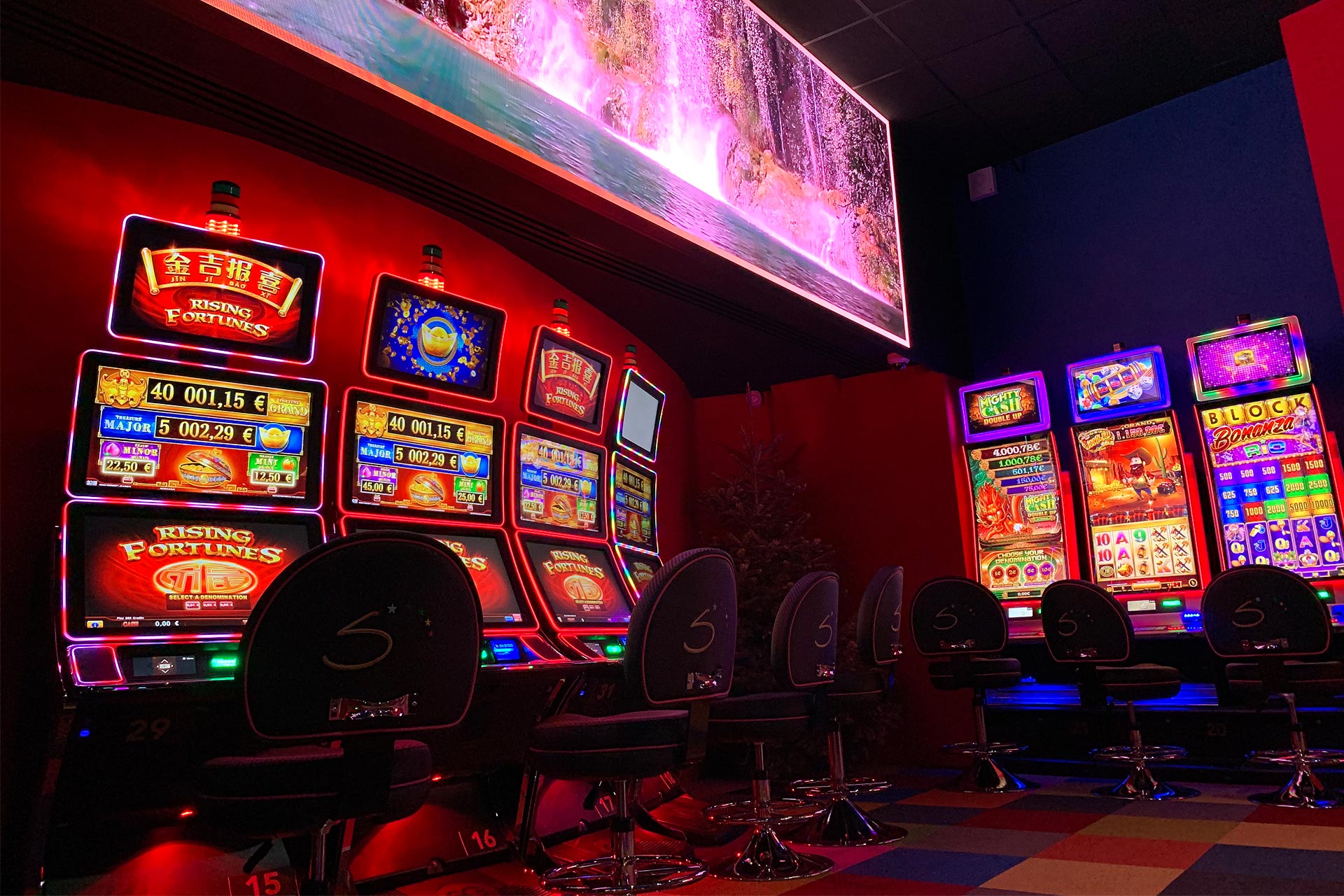
Fortgeschrittene Strategien für erfolgreiches Spielen im Casino
Verstehen der Spielmechanik
Um im Casino erfolgreich zu sein, ist es entscheidend, die Mechanik der Spiele zu verstehen, an denen man teilnimmt. Jedes Spiel, ob es sich um Slots, Roulette oder Blackjack handelt, hat eigene Regeln und Gewinnchancen. Ein tieferes Verständnis der Spielstrategien und Wahrscheinlichkeiten kann Spielern helfen, informierte Entscheidungen zu treffen. Zum Beispiel können beim Blackjack mathematische Strategien wie das Kartenzählen den Vorteil des Spielers erhöhen und die Gewinnchancen deutlich verbessern. In diesem Kontext ist Revolution Casino Deutschland eine empfehlenswerte Option für Spieler, die mehr über ihre Möglichkeiten erfahren möchten.
Darüber hinaus sollten Spieler auch die verschiedenen Varianten eines Spiels kennenlernen, da diese unterschiedliche Strategien erfordern können. Im Roulette gibt es beispielsweise europäische und amerikanische Varianten, die sich in der Anzahl der Felder und der Auszahlungsstruktur unterscheiden. Ein Spieler, der die Unterschiede kennt, kann besser planen, wie er sein Geld einsetzt und seine Einsätze strategisch platziert.
Das Verständnis der Spielmechanik ist auch wichtig, um die Psychologie des Spiels zu berücksichtigen. Viele Spieler neigen dazu, impulsive Entscheidungen zu treffen, wenn sie emotional auf Gewinne oder Verluste reagieren. Indem man die eigene Spielweise und Emotionen reflektiert, kann man rationalere Entscheidungen treffen und somit die Wahrscheinlichkeit erhöhen, erfolgreich zu spielen.
Bankroll-Management
Eine der wichtigsten Strategien für erfolgreiches Spielen im Casino ist das effektive Bankroll-Management. Dies bedeutet, dass Spieler ihre finanziellen Mittel sorgfältig verwalten sollten, um sicherzustellen, dass sie nicht mehr ausgeben, als sie sich leisten können. Ein gutes Bankroll-Management erfordert die Festlegung von Verlustgrenzen sowie von Gewinnzielen. Spieler, die sich an diese Grenzen halten, sind besser in der Lage, ihre Finanzen im Griff zu behalten und impulsives Spielverhalten zu vermeiden.
Ein weiterer wichtiger Aspekt des Bankroll-Managements ist die Auswahl der Einsätze. Es ist ratsam, kleinere Einsätze zu platzieren, insbesondere wenn man neu in einem Spiel ist oder sich in einer Verlustphase befindet. Durch kleinere Einsätze kann man länger im Spiel bleiben und somit mehr Zeit haben, um die Strategien zu erlernen und das Spiel zu genießen. Außerdem bietet es die Möglichkeit, die Dynamik des Spiels besser zu verstehen, ohne gleich das gesamte Budget zu riskieren.
Spieler sollten auch regelmäßig ihre Bankroll überprüfen und anpassen, wenn sich ihre finanziellen Umstände ändern. Wenn jemand beispielsweise einen großen Gewinn erzielt hat, kann es sinnvoll sein, einen Teil des Geldes zurückzulegen und nur mit dem restlichen Betrag weiterzuspielen. Dieses bewusste Vorgehen hilft, finanzielle Rückschläge zu minimieren und eine nachhaltige Spielweise zu fördern.
Strategisches Spielen
Strategisches Spielen bedeutet, dass man nicht nur auf Glück setzt, sondern die eigenen Entscheidungen auf fundierten Überlegungen basieren. Bei Spielen wie Poker ist es wichtig, die Fähigkeiten der anderen Spieler zu beobachten und das eigene Spiel entsprechend anzupassen. Bluffen, das richtige Setzen und das Lesen von Körpersprache sind Fähigkeiten, die durch Übung und Erfahrung verbessert werden können. Ein strategischer Ansatz kann den Unterschied zwischen einem erfolgreichen und einem erfolglosen Spieler ausmachen.
Zusätzlich sollten Spieler sich mit verschiedenen Spielstrategien vertraut machen, die sich je nach Spieltyp unterscheiden können. Beispielsweise im Blackjack kann das Setzen auf Split oder Double Down die Gewinnchancen erhöhen, wenn die Situation es erlaubt. Indem man sich in die verschiedenen Strategien einarbeitet und diese während des Spiels anwendet, kann man seinen Vorteil maximieren und die Gewinnchancen erhöhen.
Ein weiterer wichtiger Punkt ist, sich nicht von Emotionen leiten zu lassen. Ein strategischer Spieler muss in der Lage sein, kühle Entscheidungen zu treffen, selbst wenn die Spielsituation angespannt ist. Das bedeutet, auch mal eine Runde auszusetzen oder die Einsätze zu reduzieren, wenn das Glück nicht auf der eigenen Seite steht. Geduld und Disziplin sind hierbei unerlässlich für eine langfristige Spielerfolgsstrategie.
Nutzung von Boni und Promotions
Die Nutzung von Casino-Boni und Promotions kann eine ausgezeichnete Strategie sein, um das eigene Spielkapital zu erhöhen und mehr Zeit an den Tischen zu verbringen. Viele Online-Casinos bieten Willkommensboni, Freispiele und andere Aktionen an, die Spieler nutzen können, um ihre Gewinnchancen zu verbessern. Diese Angebote sind oft an bestimmte Bedingungen geknüpft, daher ist es wichtig, die Geschäftsbedingungen sorgfältig zu lesen und zu verstehen.
Ein durchdachter Einsatz von Boni kann den Spielern helfen, risikoärmer zu spielen und dennoch die Chance auf große Gewinne zu haben. Beispielsweise können Freispiele in Slots genutzt werden, um die Spiele kennenzulernen, ohne eigenes Geld zu riskieren. Zudem bieten viele Casinos Treueprogramme, die es Spielern ermöglichen, ihre Einsätze in Belohnungen umzuwandeln, was zusätzliche Anreize schafft, regelmäßig zu spielen.
Darüber hinaus sollten Spieler die Zeit im Auge behalten, da Boni oft zeitlich begrenzt sind. Es ist ratsam, strategisch zu planen, wann und wie man diese Boni einsetzt, um den maximalen Nutzen zu erzielen. Durch ein cleveres Management der Boni können Spieler ihre Bankroll effektiver nutzen und ihre Chancen auf einen Gewinn steigern.

Erfahrungen und Empfehlungen von Revolution Casino
Revolution Casino bietet eine Vielzahl von Spielen und ein umfassendes Spielerlebnis, das sowohl auf Desktop- als auch auf mobilen Geräten zugänglich ist. Mit über 12.000 Spielen, darunter zahlreiche Slots und Live-Casino-Optionen, bietet die Plattform etwas für jeden Geschmack. Die schnelle und sichere Abwicklung von Transaktionen, auch mit Kryptowährungen, ermöglicht es den Spielern, sich auf das Wesentliche zu konzentrieren: das Spiel.
Das Willkommenspaket von Revolution Casino ist besonders attraktiv und umfasst einen 100 % Bonus sowie 200 Freispiele für neue Spieler. Diese Angebote ermöglichen es neuen Spielern, ihre Spielerfahrung zu maximieren, ohne gleich ein hohes Risiko einzugehen. Die Plattform sorgt dafür, dass die Spieler stets aktuelle Aktionen und neue Gewinnchancen entdecken können.
Zusätzlich investiert Revolution Casino kontinuierlich in die Verbesserung des Spielerlebnisses durch regelmäßige Updates und innovative Features. Spieler können sich darauf verlassen, dass sie ein sicheres und unterhaltsames Umfeld vorfinden, in dem sie ihre Strategien umsetzen und erfolgreich spielen können. Die Kombination aus vielseitigen Spielen und attraktiven Angeboten macht Revolution Casino zu einer hervorragenden Wahl für alle, die ernsthaft im Casino spielen möchten.
- Published in public
Exploring the social consequences of gambling in modern communities

Exploring the social consequences of gambling in modern communities
The Impact of Gambling on Community Dynamics
The rise of gambling in modern communities has transformed local dynamics in numerous ways. Gambling establishments, whether they are physical casinos or online platforms, create a unique social environment that can foster a sense of community among players. One popular destination for these experiences is galaxy-spins.com, where individuals can engage in thrilling games. However, this can also lead to the fragmentation of traditional community bonds, as individuals may prioritize gambling activities over family and social interactions. In essence, the thrill of the game often overshadows the significance of communal relationships.
Moreover, the availability of gambling can influence local economies, drawing attention to both positive and negative consequences. On one hand, the influx of revenue from gambling can lead to job creation and increased funding for public services. On the other hand, it can also result in higher rates of crime and disorder, as people may resort to illegal activities to fund their gambling habits. Therefore, while gambling may stimulate local economies, it simultaneously poses significant challenges that communities must confront.
Additionally, gambling impacts the social fabric of neighborhoods by introducing new cultural norms. The acceptance of gambling as a mainstream entertainment option can alter how individuals perceive risk-taking behaviors. Younger generations, in particular, might come to view gambling as a casual pastime rather than a potentially destructive activity. As a result, this shift in perception can lead to an increase in gambling participation, further embedding this activity into the community’s identity.
The Psychological Effects of Gambling
Gambling can have profound psychological effects on individuals, which subsequently reverberate throughout the community. For some, the adrenaline and excitement associated with gambling can lead to addiction, characterized by a compulsive need to gamble despite negative consequences. This addiction not only impacts the individual but also affects family members and close friends, leading to strained relationships and emotional distress. As more individuals fall victim to gambling addiction, the community faces escalating challenges in addressing mental health issues.
Moreover, the psychological toll of gambling is compounded by the stigma often associated with it. Individuals struggling with gambling-related problems may feel isolated or ashamed, preventing them from seeking help. This can create a vicious cycle of addiction, where individuals turn to gambling as a coping mechanism for their emotional struggles, further entrenching themselves in the problem. The community, in turn, must grapple with the fallout from these personal battles, including increased demand for support services.
Furthermore, the normalization of gambling can lead to the trivialization of its potential psychological impacts. In a culture that celebrates gambling as a form of entertainment, the serious implications for mental health can be overlooked. As communities become increasingly desensitized to the dangers of gambling, the need for awareness and education becomes critical. Promoting responsible gambling practices and providing access to support services can help mitigate these psychological effects and promote healthier community dynamics.
The Economic Consequences of Gambling
The economic consequences of gambling are multifaceted, encompassing both potential benefits and significant drawbacks. On one side, gambling can act as a catalyst for economic growth, generating tax revenue that can be reinvested in community programs. This influx of funds can bolster local infrastructure, health care, and education systems, leading to improved quality of life for residents. However, the economic benefits often come at a cost, particularly when considering the long-term effects of gambling addiction.
In many communities, the financial gains from gambling are offset by increased social costs. Higher rates of gambling addiction can lead to greater demand for social services, including mental health resources, addiction treatment programs, and law enforcement. These added expenses can strain local budgets, resulting in cuts to essential services that benefit the wider community. Consequently, while gambling can initially appear economically advantageous, its broader economic impact can be detrimental over time.
Additionally, the presence of gambling establishments can alter consumer behavior, impacting local businesses. Traditional retailers may suffer as individuals divert their disposable income towards gambling. This shift can create an imbalance in the local economy, where the benefits of gambling revenue are not evenly distributed across all sectors. As communities continue to navigate these economic changes, it is crucial to consider sustainable practices that prioritize the well-being of all residents.
Community Response to Gambling-related Issues
Communities facing the consequences of gambling are increasingly implementing measures to address the challenges posed by this activity. One of the most effective approaches has been the establishment of support programs for individuals struggling with gambling addiction. These initiatives, often run by local governments or non-profit organizations, provide resources, counseling, and support networks to help individuals regain control of their lives. By fostering a culture of openness and support, communities can combat the stigma surrounding gambling addiction.
Public education campaigns have also emerged as a critical tool in raising awareness about the risks associated with gambling. By informing community members about the potential dangers of excessive gambling, these initiatives aim to promote responsible gaming behaviors. Workshops, informational sessions, and outreach programs help equip individuals with the knowledge needed to recognize signs of addiction and seek help when necessary. As more people become aware of these issues, communities can work together to create a safer environment.
Moreover, local policymakers are increasingly recognizing the importance of regulating gambling activities to protect community welfare. This can include imposing restrictions on the number of gambling establishments, regulating advertising practices, and implementing measures to ensure that gambling revenues are allocated to support community programs. By taking a proactive stance, communities can balance the economic benefits of gambling with the need to protect residents from its potential harms.

Exploring the Future of Gambling and Its Community Impact
As gambling continues to evolve in the digital age, its impact on communities will likely become even more complex. The rise of online gambling platforms presents both new opportunities and challenges. While these platforms can enhance access to gambling, they also pose risks of increased addiction due to their convenience and anonymity. Communities will need to adapt to these changes by developing strategies to address the unique challenges posed by online gambling.
Future trends in gambling may also include the integration of technology, such as virtual reality and artificial intelligence, into gaming experiences. While these innovations can enhance player engagement, they also raise concerns about ethical gambling practices. Ensuring that technology is harnessed responsibly will be essential in mitigating potential negative impacts on individuals and communities alike.
Ultimately, the future of gambling in modern communities will depend on a collaborative approach that prioritizes the well-being of residents. By fostering a culture of responsible gaming and providing access to support services, communities can navigate the evolving landscape of gambling. The focus should remain on creating a balanced environment that allows for entertainment while safeguarding against the potential risks associated with gambling.
- Published in public
Finanzmanagement im Glücksspiel Strategien für nachhaltigen Erfolg

Finanzmanagement im Glücksspiel Strategien für nachhaltigen Erfolg
Die Grundlagen des Finanzmanagements im Glücksspiel
Finanzmanagement im Glücksspiel ist ein entscheidender Faktor für den langfristigen Erfolg von Spielern und Anbietern. Es umfasst die Planung, Überwachung und Kontrolle der finanziellen Ressourcen, um sicherzustellen, dass die gesetzlichen Rahmenbedingungen eingehalten werden und die finanziellen Ziele erreicht werden können. Spieler müssen lernen, ihr Budget effektiv zu verwalten, um das Risiko von Verlusten zu minimieren und die Chancen auf Gewinne zu maximieren. Plattformen wie lolajackcasinos.de bieten dazu umfassende Unterstützung.
Ein effektives Finanzmanagement beginnt mit der Festlegung eines klaren Budgets. Spieler sollten sich vor dem Glücksspiel überlegen, wie viel Geld sie bereit sind, zu verlieren, und sich an diese Grenze halten. Diese Praxis hilft, impulsives Spielverhalten zu vermeiden und langfristig ein verantwortungsvolles Spielverhalten zu fördern. Zudem ist es wichtig, regelmäßige Ausgaben zu überwachen und den finanziellen Status im Auge zu behalten.
Ein weiterer zentraler Aspekt des Finanzmanagements im Glücksspiel ist die Analyse der Spiele und deren Auszahlungsquoten. Spieler sollten sich über die Gewinnchancen und Hausvorteile der verschiedenen Spiele informieren, um fundierte Entscheidungen zu treffen. Durch die Auswahl von Spielen mit höheren Auszahlungsquoten können Spieler ihre Chancen auf Gewinne erheblich verbessern und gleichzeitig ihr Risiko verringern.
Strategien zur Risikominderung im Glücksspiel
Risikomanagement ist ein wesentlicher Bestandteil des Finanzmanagements im Glücksspiel. Spieler sollten verschiedene Strategien anwenden, um ihre Risiken zu minimieren und ihre Erfolgschancen zu maximieren. Eine gängige Methode ist die Diversifikation des Spielportfolios. Indem Spieler in verschiedenen Spielen und Kategorien aktiv sind, können sie das Risiko von Verlusten in einem einzelnen Bereich verringern.
Zusätzlich sollten Spieler stets über die neusten Trends und Entwicklungen im Glücksspielbereich informiert sein. Die Teilnahme an Schulungen oder Seminaren kann helfen, das Wissen über effektive Strategien und Techniken zu erweitern. So sind Spieler besser gerüstet, um fundierte Entscheidungen zu treffen und ihre Finanzmittel optimal einzusetzen.
Ein weiterer Ansatz zur Risikominderung ist die Anwendung von Systemen, wie zum Beispiel dem Martingale-System oder dem Fibonacci-System. Diese Systeme ermöglichen es Spielern, ihre Einsätze strategisch zu steuern und helfen, Verluste durch gezielte Einsätze wieder auszugleichen. Auch wenn solche Systeme keine Garantie für Gewinne bieten, können sie dennoch dazu beitragen, das finanzielle Risiko zu kontrollieren.
Die Bedeutung von Selbstdisziplin und Verantwortungsbewusstsein
Selbstdisziplin spielt eine entscheidende Rolle im Finanzmanagement beim Glücksspiel. Spieler müssen in der Lage sein, Emotionen wie Gier und Angst zu kontrollieren, um rational zu entscheiden. Ein klarer Verstand und ein disziplinierter Ansatz sind notwendig, um die eigenen finanziellen Grenzen nicht zu überschreiten und verantwortungsvolles Spielverhalten zu fördern.
Darüber hinaus ist es wichtig, sich der eigenen Grenzen bewusst zu sein. Spieler sollten regelmäßig ihre finanziellen Erfolge und Misserfolge reflektieren und aus diesen Erfahrungen lernen. Indem sie sich ihrer Stärken und Schwächen bewusst werden, können sie ihre Strategien anpassen und ihre Spielweise optimieren, um langfristig erfolgreich zu sein.
Verantwortungsbewusstsein ist ein weiterer zentraler Aspekt. Glücksspiel kann süchtig machen, weshalb es wichtig ist, die Zeichen einer potenziellen Spielsucht zu erkennen. Spieler sollten jederzeit die Kontrolle über ihr Spielverhalten behalten und gegebenenfalls Unterstützung suchen, wenn sie feststellen, dass sie Schwierigkeiten haben, ihre Grenzen einzuhalten. Dies trägt nicht nur zur eigenen Gesundheit bei, sondern fördert auch ein positives Umfeld für andere Spieler.
Die Rolle von Technologie im modernen Glücksspiel
Technologie hat das Glücksspiel revolutioniert und bietet Spielern neue Möglichkeiten, ihr Finanzmanagement zu optimieren. Online-Casinos ermöglichen es Nutzern, ihre Ausgaben in Echtzeit zu verfolgen und ihre finanziellen Aktivitäten transparent zu gestalten. Viele Plattformen bieten zusätzlich Tools und Funktionen an, die Spielern helfen, ihr Budget effektiv zu verwalten.
Ein weiterer Vorteil der Technologie im Glücksspiel ist die Verfügbarkeit von Datenanalysen und Statistiken. Spieler können auf umfassende Informationen über ihre Spielgewohnheiten zugreifen und gezielte Entscheidungen treffen, basierend auf ihrer Leistung. Diese Daten können verwendet werden, um Strategien anzupassen und die eigenen Spielfähigkeiten zu verbessern.
Darüber hinaus fördern innovative Zahlungsmethoden, wie Kryptowährungen oder mobile Wallets, ein schnelles und sicheres Finanzmanagement. Diese Zahlungsmethoden ermöglichen es Spielern, ihre Einzahlungen und Auszahlungen effizient zu verwalten, ohne hohe Gebühren zu zahlen. Dies trägt zur Steigerung des Spielkomforts und zur Verbesserung des allgemeinen Spielerlebnisses bei.

Das LolaJack Casino: Ein Beispiel für verantwortungsvolles Glücksspiel
Das LolaJack Casino ist ein modernes Online-Casino, das sich durch ein umfangreiches Angebot und ein hohes Maß an Sicherheit auszeichnet. Spieler haben Zugriff auf über 4.000 Spiele, darunter Slots, Tischspiele und Live-Dealer-Angebote. Mit einem attraktiven Willkommensbonus können neue Spieler sofort von den Vorteilen der Plattform profitieren und ihre finanziellen Möglichkeiten optimal nutzen.
Die Plattform fördert verantwortungsvolles Spielen durch verschiedene Funktionen, die den Nutzern helfen, ihre Budgets zu überwachen und sicherzustellen, dass sie innerhalb ihrer finanziellen Grenzen bleiben. Die einfache Registrierung und eine Vielzahl von Zahlungsmethoden machen das LolaJack Casino zu einer ausgezeichneten Wahl für deutsche Spieler, die ein sicheres und unterhaltsames Glücksspielerlebnis suchen.
Durch die Kombination von verantwortungsvollem Finanzmanagement und modernster Technologie setzt das LolaJack Casino neue Standards im Glücksspielbereich. Es bietet nicht nur eine Vielzahl von Spielen und attraktiven Boni, sondern stellt auch sicher, dass die Spieler die Kontrolle über ihre Finanzen behalten und ein nachhaltiges Spielverhalten fördern können.
- Published in public
Conversaciones con expertos en el mundo del juego estrategias y secretos revelados
Conversaciones con expertos en el mundo del juego estrategias y secretos revelados
La evolución de la tecnología en el juego
La industria del juego ha experimentado una transformación radical en las últimas décadas, gracias al avance de la tecnología. Desde las máquinas tragamonedas hasta los casinos en línea, cada innovación ha redefinido cómo los jugadores interactúan con sus juegos favoritos. Hoy en día, el uso de realidad virtual y aumentada está comenzando a ofrecer experiencias inmersivas que son difíciles de igualar, permitiendo a los usuarios sentirse como si estuvieran en un casino real desde la comodidad de su hogar. Además, los avances han llevado a que plataformas como https://cvursaria.es/ se conviertan en referentes en apuestas y juegos en línea.

Además, la inteligencia artificial se ha integrado en muchos aspectos del juego, facilitando la personalización de las experiencias de los jugadores. Por ejemplo, los algoritmos pueden analizar los patrones de juego y ofrecer recomendaciones personalizadas, mejorando así la satisfacción del usuario. Esto no solo optimiza la experiencia del jugador, sino que también ayuda a los operadores a maximizar sus ingresos mediante una atención más centrada en el cliente.
Asimismo, la tecnología ha permitido la aparición de plataformas de juego en línea que conectan a jugadores de todo el mundo. Las funciones interactivas, como el chat en vivo y las competencias en tiempo real, han hecho que jugar sea más social y emocionante. La combinación de todos estos elementos ha transformado la percepción del juego, convirtiéndolo en una actividad más accesible y atractiva para diversas audiencias.
Estrategias de juego que utilizan los expertos
Los expertos en el mundo del juego han desarrollado diversas estrategias para maximizar sus posibilidades de ganar. Una de las más comunes es la gestión del bankroll, que implica establecer un presupuesto y ceñirse a él. Esto no solo ayuda a evitar pérdidas significativas, sino que también permite disfrutar del juego sin el estrés financiero que puede conllevar. Los jugadores exitosos saben que la clave está en jugar de manera responsable.
Otra estrategia crucial es la selección de juegos. No todos los juegos ofrecen las mismas probabilidades de ganar. Por ejemplo, algunos juegos de mesa como el blackjack o el póker permiten a los jugadores utilizar habilidades y estrategias, mientras que otros, como las tragamonedas, dependen completamente de la suerte. Conocer las diferencias y elegir los juegos correctos puede aumentar significativamente las posibilidades de éxito.
Finalmente, los expertos también suelen recomendar el uso de bonos y promociones ofrecidos por los casinos. Estos pueden incluir giros gratis, bonificaciones por depósito y otros incentivos que pueden aumentar la duración del juego y las posibilidades de ganar. Saber cómo y cuándo aprovechar estas ofertas puede marcar la diferencia entre una sesión de juego exitosa y una decepcionante.
Impacto de la regulación en el juego
La regulación del juego es un tema crítico que afecta tanto a jugadores como a operadores. En muchas regiones, las leyes han evolucionado para adaptarse a las nuevas tecnologías y formas de juego. Esto ha llevado a un aumento en la legalización de los casinos en línea y las apuestas deportivas, lo que ha generado un mercado más competitivo y seguro. La regulación adecuada protege a los jugadores de fraudes y garantiza que los operadores actúen de manera justa.
Sin embargo, también existen desafíos asociados con la regulación. Las leyes pueden variar significativamente de un país a otro, lo que puede dificultar la operativa de los operadores que desean expandirse a nuevos mercados. Además, el juego responsable se convierte en una prioridad, y los reguladores están implementando medidas para asegurar que los jugadores no desarrollen comportamientos adictivos.
En este contexto, la educación sobre el juego responsable es fundamental. Los expertos enfatizan la importancia de informar a los jugadores sobre los riesgos y las herramientas disponibles para controlar su actividad. Esto no solo ayuda a prevenir problemas relacionados con el juego, sino que también fomenta una cultura de diversión y entretenimiento responsable.
Tendencias futuras en el mundo del juego
Las tendencias futuras en el mundo del juego parecen estar profundamente influenciadas por la tecnología. La gamificación, por ejemplo, se está convirtiendo en un elemento clave que mejora la experiencia del jugador. Al integrar elementos de juego en entornos no relacionados con el juego, se aumenta la participación y el compromiso, lo que podría dar lugar a un nuevo nivel de interacción en los casinos en línea.
Otra tendencia es la creciente importancia de las criptomonedas en el sector del juego. Las transacciones con criptomonedas ofrecen ventajas como la privacidad y la rapidez, y cada vez más casinos están adoptando este método de pago. Esto no solo facilitará las transacciones, sino que también atraerá a una nueva generación de jugadores que valoran la seguridad y la conveniencia que las criptomonedas ofrecen.
Finalmente, el crecimiento de la inteligencia artificial y el análisis de datos está permitiendo a los operadores ofrecer experiencias más personalizadas. Desde el marketing hasta la atención al cliente, la capacidad de analizar el comportamiento del jugador y adaptar la oferta en consecuencia puede transformar la forma en que los casinos interactúan con sus clientes. A medida que estas tendencias continúan desarrollándose, el futuro del juego promete ser tanto emocionante como innovador.

Explorando el futuro del juego en nuestra plataforma
Nuestra plataforma se dedica a proporcionar a los jugadores una visión completa del mundo del juego, incluidas las estrategias, tendencias y tecnologías emergentes. Con un enfoque en la educación, buscamos empoderar a los jugadores para que tomen decisiones informadas mientras disfrutan de su experiencia. Al ofrecer contenido valioso, ayudamos a nuestros usuarios a navegar por este emocionante mundo de manera segura y responsable.
Además, nuestra comunidad en línea ofrece un espacio para que los jugadores compartan experiencias, estrategias y consejos. Fomentamos un ambiente de apoyo donde los usuarios pueden aprender unos de otros y crecer en su conocimiento del juego. Creemos que el intercambio de información es esencial para crear una experiencia de juego más rica y positiva.
Por último, nuestra plataforma se esfuerza por estar a la vanguardia de las últimas tendencias y desarrollos en el mundo del juego. Al mantener a nuestra audiencia informada sobre las novedades y los cambios en la regulación, así como las innovaciones tecnológicas, garantizamos que nuestros usuarios estén siempre un paso adelante en su experiencia de juego. Juntos, estamos construyendo un futuro emocionante en el mundo del juego.
- Published in public